
Teammembertravel: Complete Guide to Smarter Business and Team Travel Management
Team member travel refers to the strategies, tools, and systems designed to make business or organizational travel more efficient, collaborative, and cost-effective. Unlike individual travel planning, team member travel focuses on the collective movement of employees, project teams, or entire departments. It ensures that every aspect of travel flights, accommodations, schedules, and logistics is aligned with the group’s objectives.
When companies embrace team member travel, they not only streamline coordination but also reduce errors, prevent overlapping bookings, and provide employees with a smoother travel experience. This concept is increasingly vital as global teams, remote collaboration, and business mobility continue to expand across industries.
Why Team Member Travel Matters for Modern Businesses

Modern organizations operate in an interconnected world where teams often need to gather for projects, conferences, or client meetings. Without structured travel management, miscommunication and inefficiency can drain budgets and morale. Team member travel matters because it integrates planning, technology, and communication into one cohesive process.
The growing reliance on digital platforms for collaboration means travel must also adapt. Companies no longer view travel purely as an expense but as an investment in relationship-building, productivity, and professional growth. With team member travel, travel becomes a strategic asset rather than a logistical burden.
Key Benefits of Team Member Travel Technology
- Streamlined Planning: Teams avoid redundant bookings and reduce scheduling conflicts.
- Cost Efficiency: Centralized booking and management cut unnecessary expenses.
- Improved Collaboration: Teams travel on the same schedules, maximizing time together.
- Safety and Transparency: Real-time tracking and itinerary sharing increase traveler safety.
- Data Insights: Companies gain visibility into travel spending patterns and policy compliance.
By adopting team member travel solutions, organizations not only save money but also enhance employee satisfaction. This creates a travel environment where employees feel supported and valued.
Real-World Examples of Teammember Travel Solutions
Concur Travel by SAP

Concur Travel is a widely used platform that embodies the principles of team member travel. It allows organizations to manage group itineraries, policy compliance, and expense tracking all in one system.
For teams, the advantage lies in unified visibility. Project members know who is traveling where and when, which reduces confusion and ensures that meetings happen as planned. Managers benefit from automated reporting that highlights cost savings and compliance trends.
TripActions
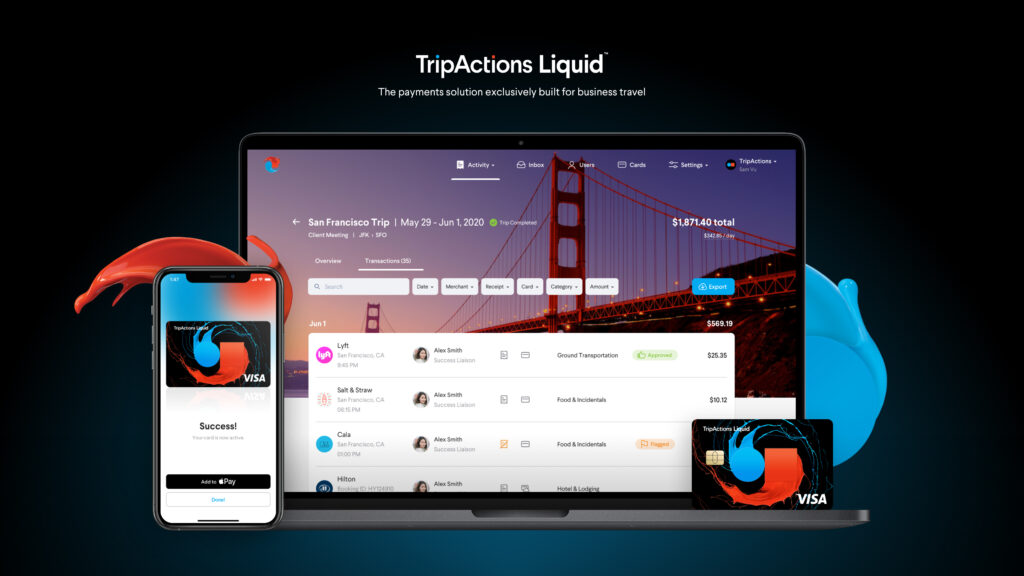
TripActions provides companies with AI-driven tools to manage both individual and team travel. It integrates booking, expense management, and policy enforcement into one dashboard.
The real strength of TripActions for team member travel is its predictive technology. By analyzing preferences and past trips, the platform suggests optimized group itineraries that minimize downtime and enhance productivity. This makes it particularly effective for sales teams or consulting groups that frequently travel together.
TravelPerk
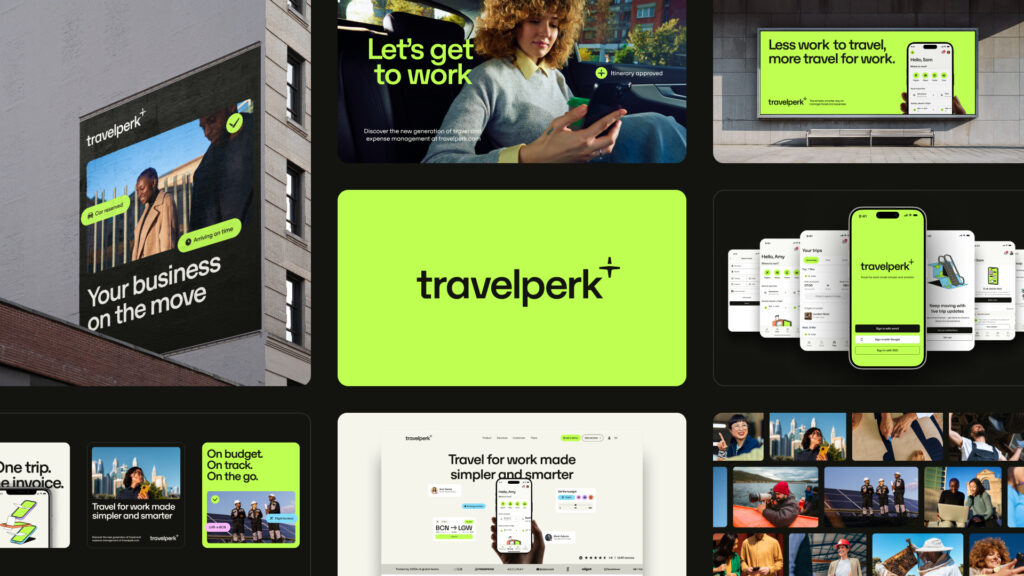
TravelPerk specializes in flexibility, a critical element for team member travel. It offers features like flexible booking options, centralized invoicing, and real-time updates for group itineraries.
For example, a marketing team attending an international trade show can use TravelPerk to ensure every member is aligned on flight times, hotel stays, and transportation. If a schedule changes, the system updates all travelers instantly, avoiding miscommunication.
Egencia

Egencia, a corporate travel platform by Expedia, provides robust team-focused solutions. It combines global travel options with enterprise-grade management features.
The platform ensures that every team member’s journey is integrated into the company’s travel policy, reducing compliance risks. It also allows administrators to monitor travel in real-time, which is particularly valuable for companies prioritizing employee safety during international travel.
Practical Use Cases of Teammembertravel
Coordinating Global Conferences
When an international company sends a delegation to a conference, managing travel individually creates chaos. With teammembertravel, itineraries are consolidated, accommodations are aligned, and schedules are synchronized, ensuring the team arrives prepared and cohesive.
Project-Based Travel
Engineering or consulting teams often need to be on-site togetherTeam member travel solutions streamline the process, making sure flights and accommodations align with project deadlines. This eliminates costly delays and maximizes project efficiency.
Training and Development Programs
Companies investing in training often send multiple employees to attend workshops or off-site sessions. Team member Travell ensures smooth group coordination, from flights to accommodation, while also tracking expenses for budget analysis.
Crisis Management and Safety
In the event of travel disruptions such as weather issues or geopolitical events, team member travel platforms allow organizations to quickly reroute teams, provide updates, and ensure safety without leaving anyone stranded.
Benefits of Adopting Team Member Travel in the Workplace
Insert image of the product format.
Adopting team member travel practices goes beyond logistics. It creates a culture where employees feel their time and well-being are respected. The advantages include:
- Employee Productivity: Reduced stress from planning leads to more energy for work.
- Stronger Team Cohesion: Traveling together fosters collaboration and trust.
- Financial Oversight: Businesses gain better control over travel spending.
- Global Readiness: Organizations become agile in mobilizing teams across regions.
These benefits underscore why leading companies are investing heavily in technology-driven travel management systems.
The Future of Team member travel
The next evolution of team member travel will rely on artificial intelligence, sustainability, and personalization. AI will predict team needs before they arise, while sustainability initiatives will push organizations toward greener travel options. Personalization will allow employees to enjoy seamless experiences tailored to their preferences without sacrificing company policies.
As remote and hybrid work continue to rise, team member travel will remain essential for bridging physical distances. Technology will ensure that travel is not only efficient but also aligned with corporate values.
FAQ
1. What is the main purpose of teammembertravel?
The main purpose is to streamline and manage group or business travel efficiently, ensuring that teams move cohesively while organizations maintain control over costs and safety.
2. How does teammembertravel differ from regular corporate travel?
Regular corporate travel often focuses on individuals, while team member travel emphasizes group coordination, synchronized itineraries, and shared logistics, making it more comprehensive for organizations.
3. Can small businesses benefit from team member travel solutions?
Yes. Small businesses gain significant advantages from adopting team member travel systems, such as improved cost control, reduced planning stress, and enhanced collaboration during group travel.